Room by Room: How to Choose the Right Flooring for Every Space in Your Home
July 2026
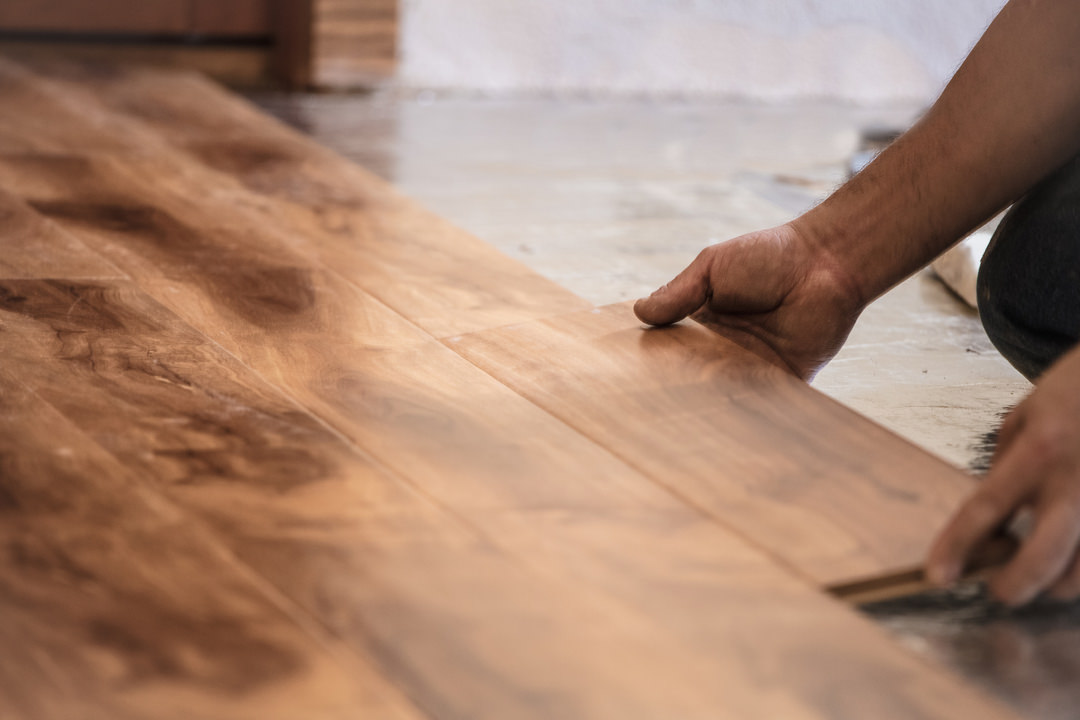
Flooring is one of the few decisions in a home that touches everything else. It sets the tone before a single piece of furniture is placed, shapes how rooms relate to one another and affects how the whole house feels underfoot, day after day. It deserves more careful thought than it usually gets.
How Do You Make a Home Look Bigger with Flooring?
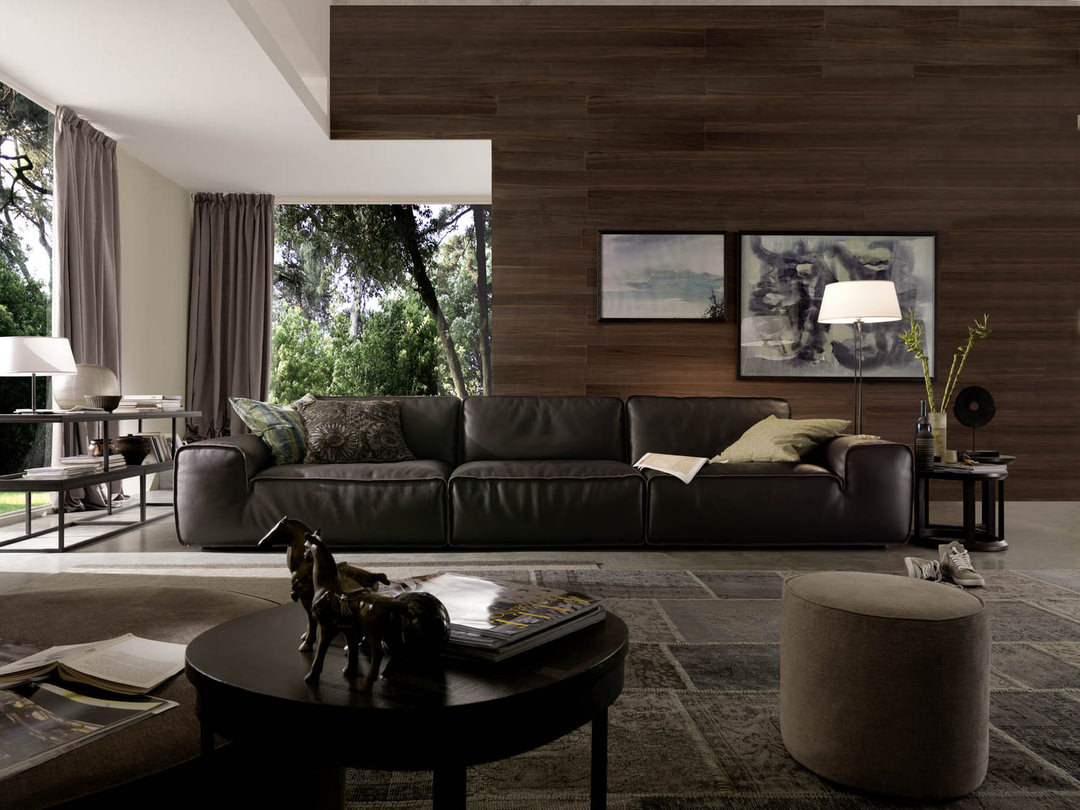
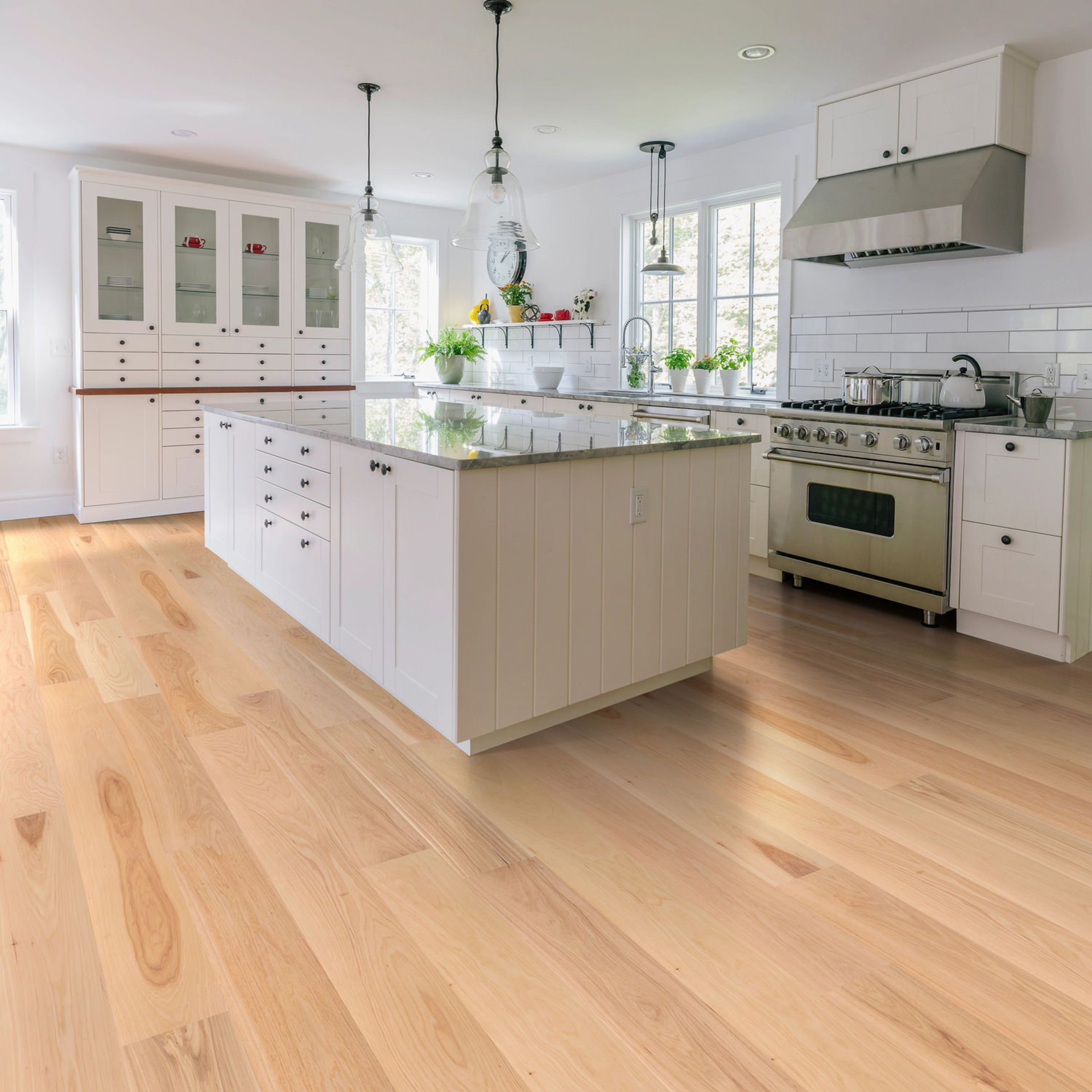
One approach worth considering: running the same material through every connected living area — entry, hallway, kitchen, living room, dining room. Each transition between flooring types creates a visual pause, a place where the eye stops before moving on. Eliminate those pauses and the eye travels farther, making the floor plan read as larger and more cohesive. It's a principle many designers return to, though it's one strategy among several rather than a rule.
What Is the Best Flooring for a Living Room?
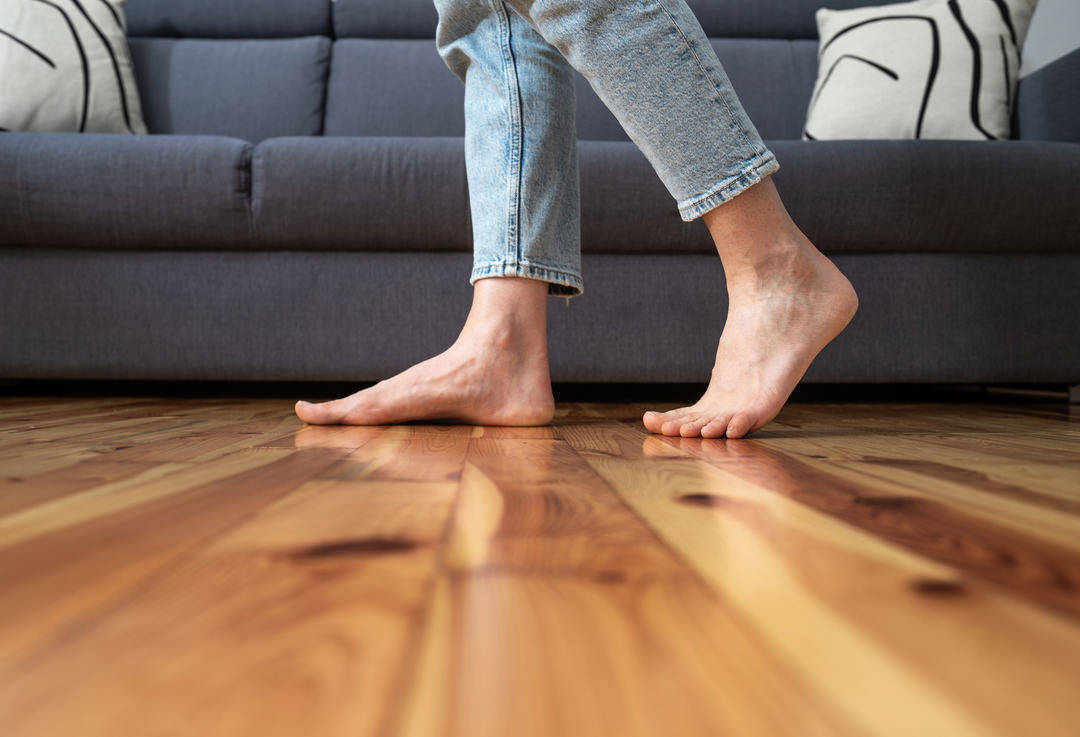
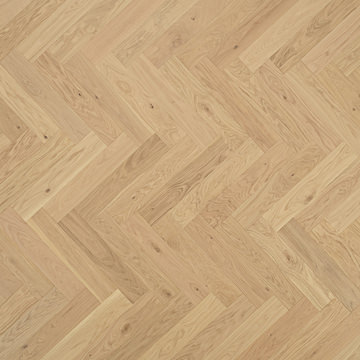
Hardwood remains the most emotionally satisfying answer. It's warm underfoot, rewards care with decades of character and carries a sense of permanence that newer materials haven't quite matched. It performs beautifully in living rooms and dining rooms — spaces with relatively stable humidity and the kind of foot traffic that doesn't involve wet shoes or water near plumbing. For a living room considered on its own, hardwood is difficult to argue against. For one that opens directly into a kitchen, the calculus shifts.
Can You Use Luxury Vinyl Plank Throughout Your Whole Home?
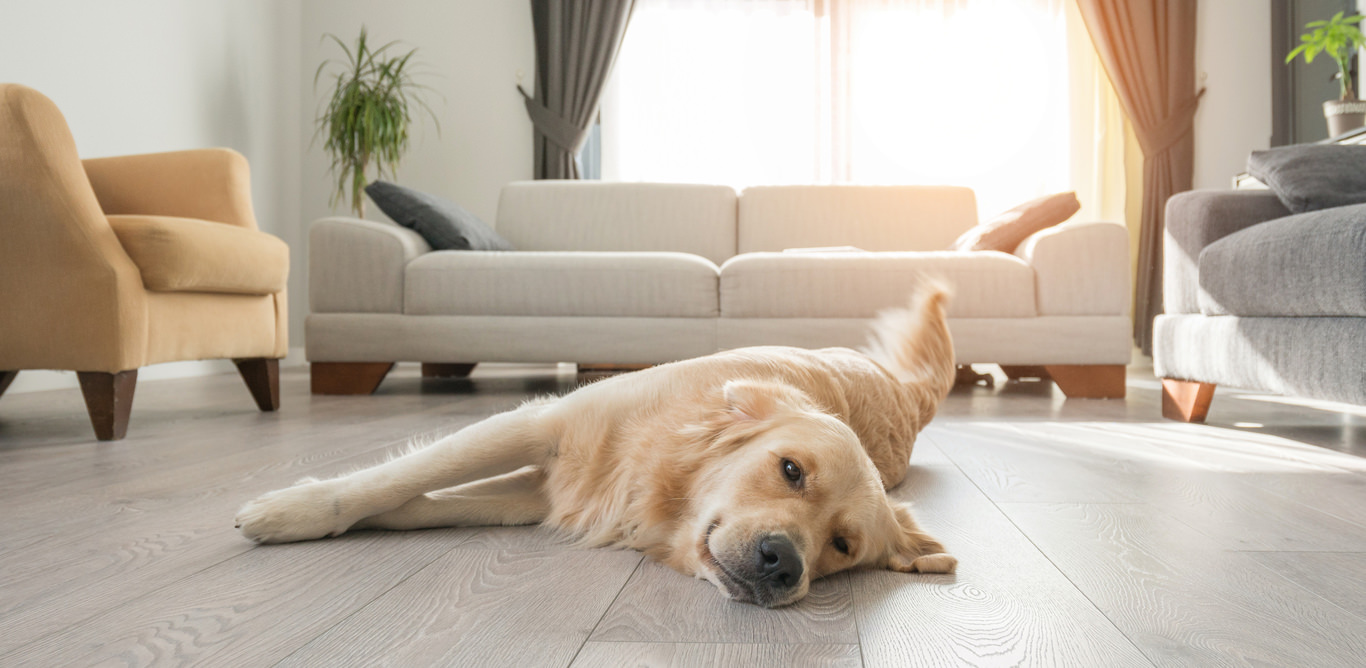
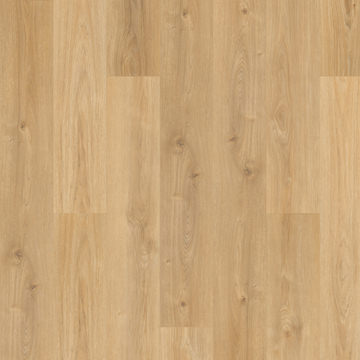
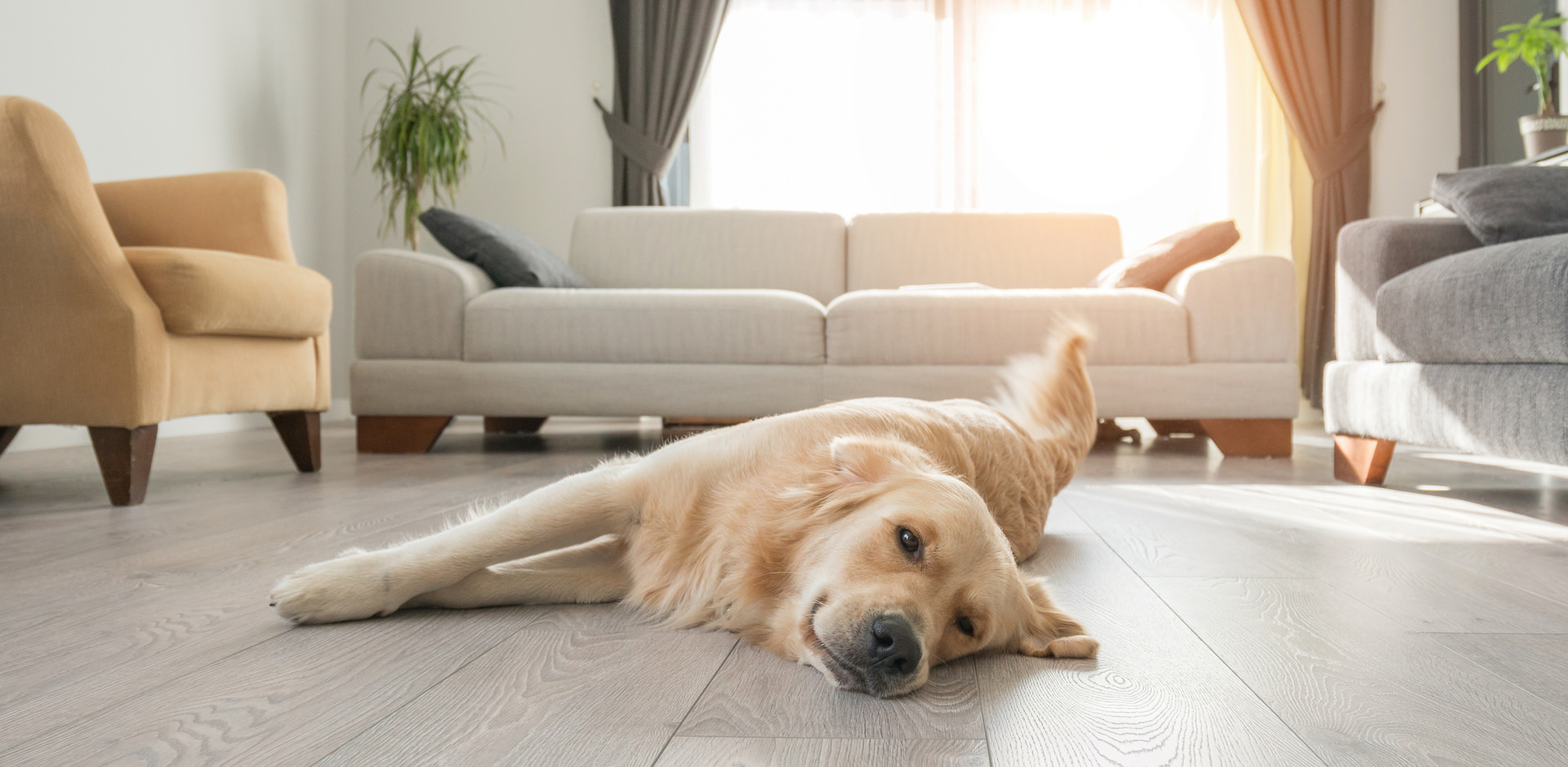
Luxury vinyl plank has earned its place in serious design conversations. Fully waterproof and built for the demands of daily life — kids, pets, the kind of traffic that would wear other surfaces down — it performs in rooms where hardwood can't follow. And today's LVP products have closed the visual gap enough that choosing vinyl is a lifestyle decision, not an aesthetic concession. In open-plan homes especially, a single continuous surface through kitchen, dining and living areas creates something that feels considered rather than assembled.
Laminate: A Comparable Option with Key Differences
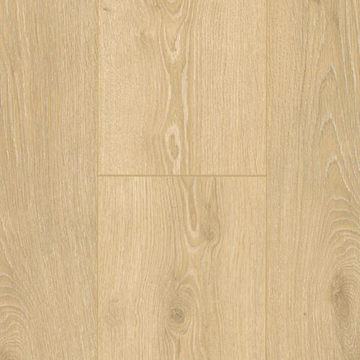
Laminate offers a similar whole-home case. Newer laminate products have improved substantially in realism—the surface printing now produces convincing wood and stone looks that hold up even at close distance. Like luxury vinyl, laminate can run through most main living areas without issue. The key differences: laminate is not waterproof in the way vinyl is, so it requires more caution near moisture.
Laminate is a well-suited choice for homes where the design calls for the warmth of a wood look across a large footprint. It works best installed in rooms where moisture exposure is limited and paired with a quality underlayment to minimize sound.
Should Bedrooms Have Hardwood or Carpet?
Carpet still earns its place, and bedrooms are where it belongs. The softness underfoot in the morning, the acoustic quiet, the warmth in colder months — these are real functional advantages that hard surfaces don't provide. For basement family rooms, carpet adds comfort to a space that might otherwise feel stark and unwelcoming.
The transition from hard surface to carpet works best when it feels deliberate. A bedroom carpet that complements the flooring in the rest of the home reads as a considered choice — a purposeful shift in texture and mood rather than an afterthought. If you prefer to carry hard flooring into the bedroom, area rugs become essential. Without them, the room will feel cold underfoot and the space will lack the softness a bedroom needs.
Using Area Rugs to Complete the Hard-Surface Floor
A whole-home hard-surface approach, whether hardwood, luxury vinyl plank or laminate, comes fully to life when area rugs are part of the plan. Rugs do several things that flooring alone cannot: they define zones within open-plan rooms, add texture and warmth, soften the sound of hard surfaces and provide an opportunity to introduce pattern and color.
In a living room, the right rug grounds the seating arrangement and gives the space a sense of purpose. In a dining room, a rug under the table anchors the furniture grouping and protects the floor. The connection between flooring and furniture becomes emphasized—the rug is the layer where those two elements meet. Getting the proportion right matters: a rug that is too small reads as an accessory rather than a design element.
Flooring Materials at a Glance
Here are the four main flooring types across the criteria that matter most.
| Flooring Type | Best Rooms | Whole-Home Use? | Durability | Feel Underfoot |
| Hardwood | Living room, dining room, bedroom | Limited — avoid wet areas | High with care; refinishable | Warm, solid, premium |
| Luxury Vinyl Plank | Every room, including kitchen and bath | Yes — strongest case for whole-home use | Very high; waterproof | Resilient, comfortable |
| Laminate | Main living areas; limited in wet rooms | Yes, with caveats | High; not refinishable | Firm; some hollow sound |
| Carpet | Bedrooms, basement family rooms | No — best as accent to hard surfaces | Moderate; shows wear over time | Soft, cushioned, quiet |
Luxury vinyl plank and laminate offer the most flexibility for whole-home use; hardwood and carpet may outperform the alternatives in the specific rooms where they belong.
Matching the Right Flooring to Your Home and Priorities
The right flooring decision depends on how your home is laid out, how it’s used and what you want it to feel like. Here is the approach that works best in common situations.
| Your Situation | Recommendation |
| You want one material that works from the front door through the kitchen and bathrooms. | Luxury vinyl plank is the strongest choice. It handles moisture and traffic in every room, and the continuous surface that makes the home feel larger. |
| You love the look of real wood and have dry, low-traffic main living areas. | Hardwood delivers warmth and character that nothing else matches. Plan for professional installation and avoid it in any room with plumbing. |
| You want the wood look across a large footprint and aren't planning to refinish. | Laminate has improved significantly in realism. Stick to moisture-resistant options for rooms near water and pair with a quality underlayment to reduce sound. |
| You're choosing flooring for bedrooms and want comfort underfoot. | Carpet remains the right answer here. Let the bedroom be a deliberate contrast to the hard surfaces in the rest of the home. |
| You've chosen hard flooring throughout but the rooms feel cold or unfinished. | Area rugs do the work. A well-proportioned rug grounds each seating area, adds softness and allows you to introduce color and texture without committing to a permanent change. |
Gabberts carries flooring options across all four categories, and our designers can help you with how to choose flooring for each room. Together, you can work through the material and layout decisions that create the difference between a floor that’s merely adequate and one that makes the whole home feel right. Visit us in the showroom to see the options in context.