Mother's Day Luxury: Creating Spa-Like Retreats at Home
April 2026
To create a spa-like bedroom design in your home, focus on four elements working together: a bed that feels like a destination, lighting you can actually control, materials that engage the senses calmly rather than loudly, and a room edited down to only what earns its place. Aesthetics follow naturally once those foundations are right.
A luxury home spa doesn't feel the way it does because of one thing. It's a compound effect — the temperature of the light, the weight of a robe, the absence of anything demanding your attention. Recreating that at home is less about any single purchase and more about designing with restraint and intention. Done well, it's one of the most meaningful gifts a space can give.
This Mother's Day, consider the rooms that could do more to support rest, renewal, and the kind of quiet that actually restores. Three areas make the greatest difference: the bedroom, a dedicated personal retreat corner, and the wellness interior design principles that carry calm throughout the whole.
What Makes a Bedroom Feel Like a Spa?
A spa-like bedroom comes down to sensory calm, intentional furniture, and eliminating visual clutter — not aesthetics alone. Six elements, applied together, reliably create that quality regardless of room size or budget:
Neutral, low-saturation color — walls, textiles, and furniture that don't compete for attention
- Layered, dimmable lighting — no overhead glare; warm ambient and directional task light only
- Natural textures — linen, wool, stone, wood — materials that register as calm rather than stimulating
- Deliberate furniture — fewer pieces, each chosen for both function and ease
- Darkness on demand — blackout capability for genuine rest, regardless of season or hour
- Edited surfaces — nightstands and shelves cleared to only what's intentional
A bedroom that achieves all six will feel calmer than most hotel rooms — and that's the right benchmark.
What Furniture Do You Need to Make a Bedroom Feel Like a Spa?
The right furniture choices are the ones that earn their place — they serve a precise function, stay out of the sightline, and introduce material warmth rather than visual noise. Here's what makes the greatest difference:
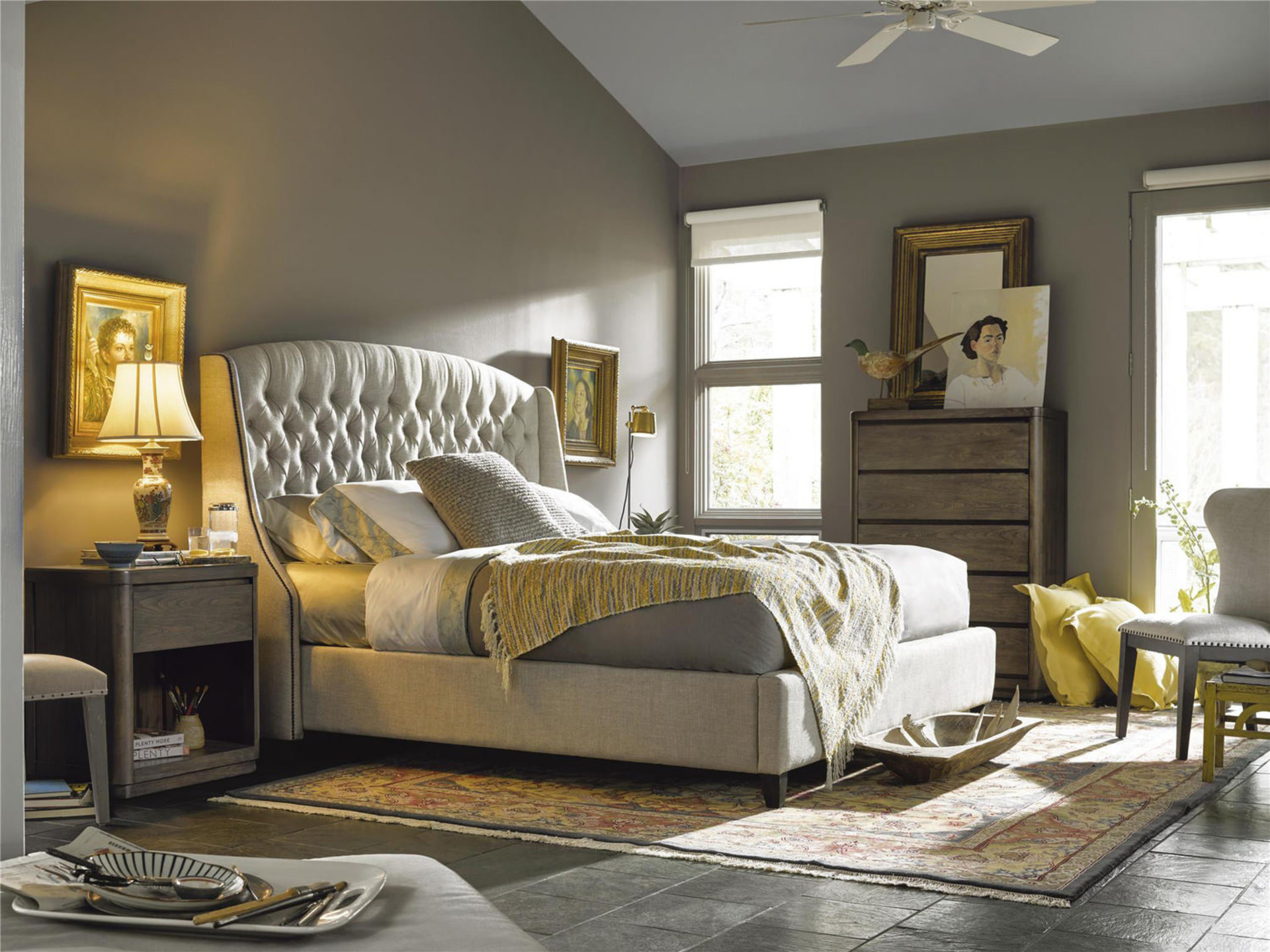
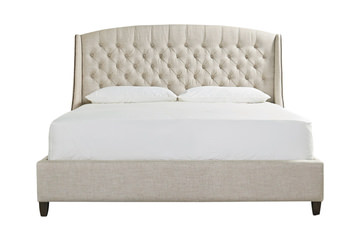
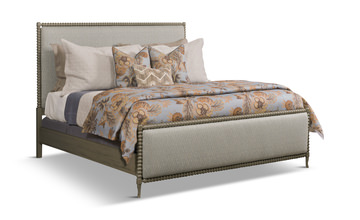
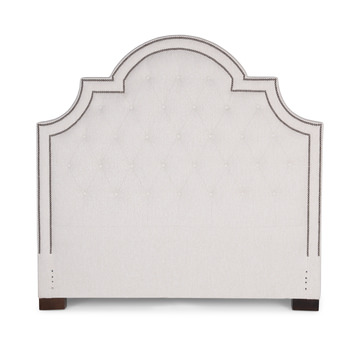
- Upholstered bed with full headboard — grounds the room visually, softens acoustics, and removes the need for wall art above the bed
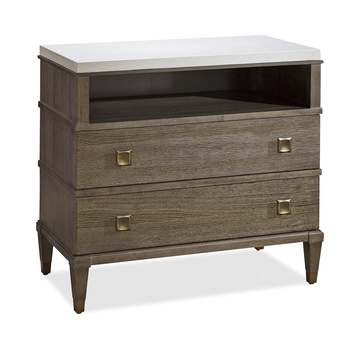
- Nightstands with a drawer or lower shelf — keep essentials close without cluttering the surface — one lamp, one book, nothing more
- Layered bedding in neutral tones — warm whites, soft ivories, quiet stones — depth through texture rather than pattern
- Blackout window treatments — the single most underinvested element in most bedrooms, and among the highest-impact changes available
- Upholstered bench or chaise at the foot — adds a moment of softness and considered detail without visual weight
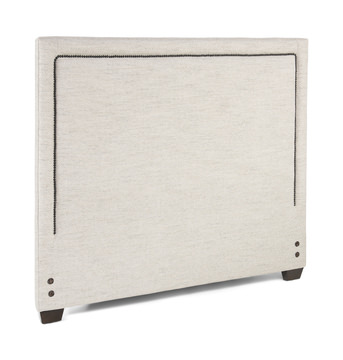
An upholstered headboard in a quiet linen or performance velvet is the place to start. It grounds the room, absorbs sound, and does the work of wall art — keeping the visual field clean and undemanding. Gabberts' collection of luxury upholstered beds offers the tailored, unhurried silhouettes that make a room feel finished without feeling decorated.
Use this as a quick reference when evaluating any piece you're considering:
Furniture Element - What It Contributes to a Spa-Like Room
Upholstered headboard - Acoustic softness, visual grounding, eliminates need for art above the bed
Nightstand with storage - Surface clarity — only the essential remains visible
Blackout drapery or shades - Complete sensory control; darkness at any hour
Folded throw at the foot - Layered texture without pattern — comfort over decoration
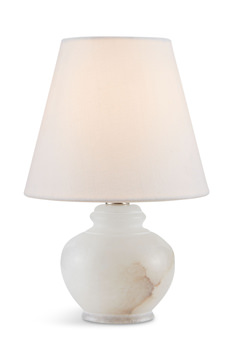
Dimmable bedside lamp - Warm, directional light that replaces overhead glare
Light control is non-negotiable. Paired with a bedside lamp on a dimmer, blackout window treatments give you complete command over the room's sensory environment — from early evening through morning, the full arc of rest.
How Do You Design a Reading Nook for a Small Space?
You don't need a dedicated room to create a genuine personal retreat — you need about five square feet, a chair you actually want to sit in, and light positioned correctly for the activity. A defined corner that signals 'this space is for me' delivers more genuine restoration than an entire room furnished without intention.
How to Build Your Reading Corner: A Step-by-Step Guide
This process takes about 30–60 minutes to plan and an afternoon to arrange. You'll need: a chair or chaise, a floor or table lamp, and one small surface for storage.
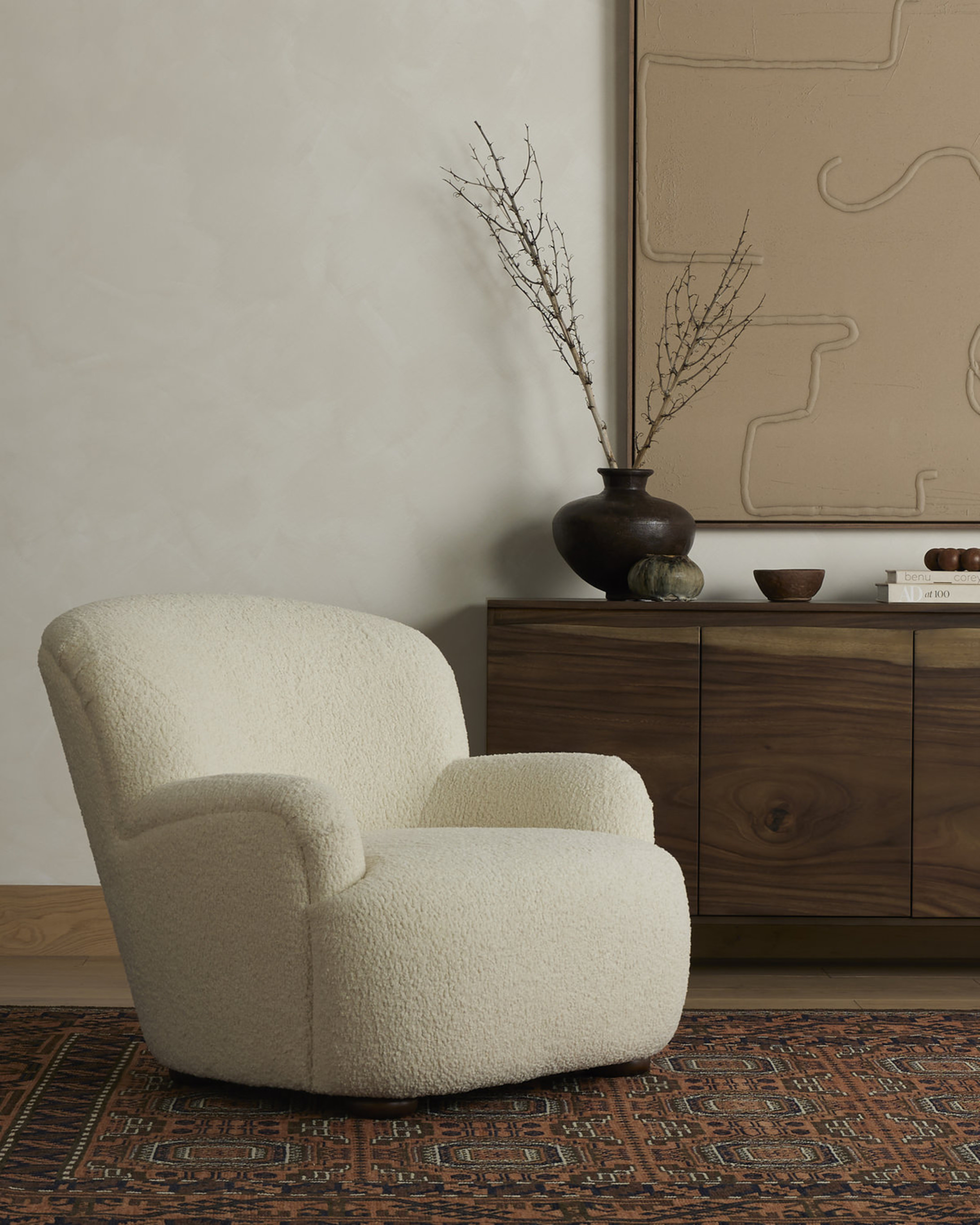
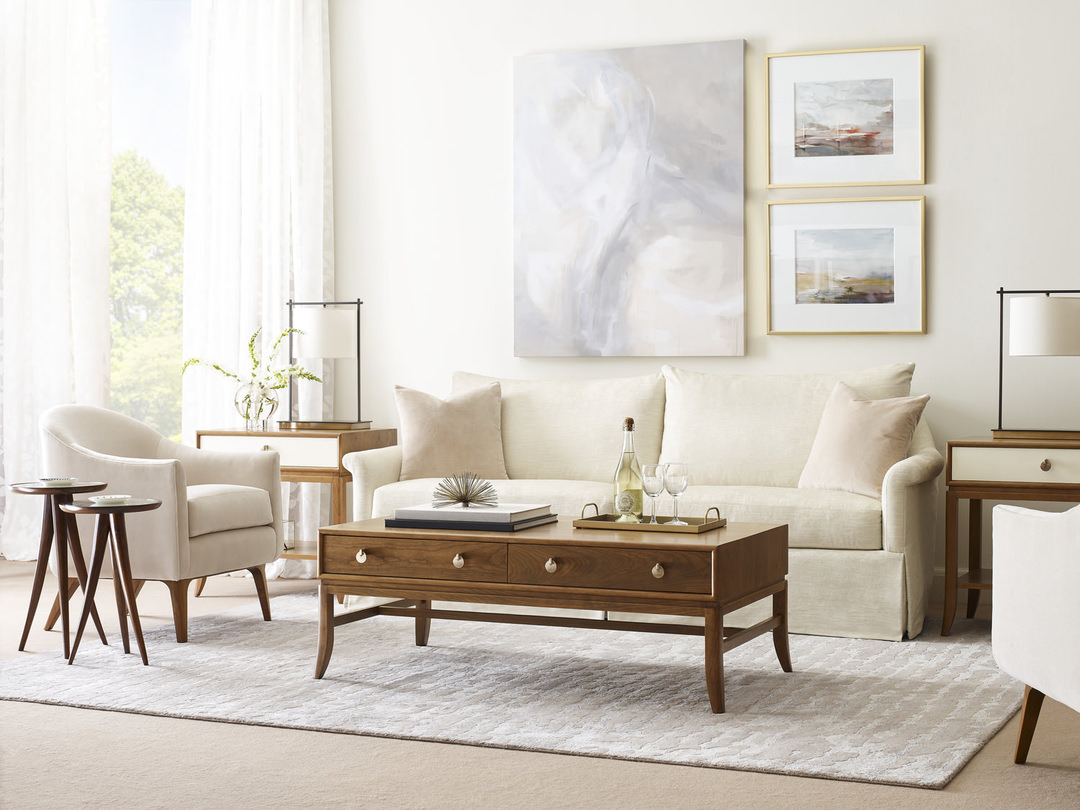
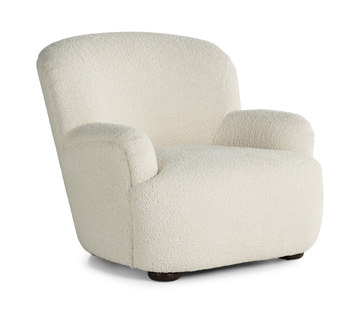
1. Choose the chair first: look for genuine lumbar support and seat depth appropriate for your height — the test is whether you can sit in it for 90 minutes without shifting. Gabberts carries accent chairs from low-profile loungers for tight rooms to high-backed designs that create a sense of enclosure.
2. Position your lamp over the shoulder: at roughly reading height, with a directional shade — this eliminates the eye strain that makes people abandon a reading chair after twenty minutes.
3. Define the zone: angle the chair slightly away from the room's main traffic flow. Even a small area rug placed underneath helps signal that this corner is separate and intentional.
4. Add a side table at elbow height: it should hold a drink and a book without requiring a lean or a reach. Correct height is everything — too low forces a slouch; too high creates tension.
5. Edit for self-containment: add only what the corner needs: a narrow bookshelf, a small tray, or a low credenza for reading material and small objects. Nothing else earns space here.
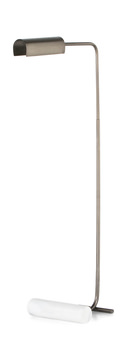
Pro tip: A swing-arm floor lamp extends and retracts without claiming additional floor area — ideal when you're working with five to seven square feet.
Not sure what will fit? Here's a quick guide by footprint:
Wellness Principle - Greatest Impact - Why
Neutral palette - Bedroom + primary bath - Rooms associated with rest and transition benefit most from a non-stimulating color environment
Natural materials - Living spaces + reading areas - Where extended, relaxed occupancy occurs — texture registers as grounding over time
Sound absorption - Open-plan living + home offices -Ambient noise accumulates here; soft surfaces reduce it without visible effort
Layered lighting - Bedroom + retreat spaces - Sensory control is most valuable where rest and restoration are the primary activities
Edited surfaces - Every room — especially bedroom and entry - Where clutter is most psychologically costly and most visible
Ergonomic furniture - Reading corners + home offices - Where prolonged occupancy is most likely to produce physical discomfort
Applied across a home, these principles create cumulative calm. A bedroom designed for genuine rest, a reading corner that supports restoration, a living space that doesn't demand your attention — each reinforces the next. The through-line is always intention over accumulation, quality over quantity, and environments shaped around the person using them.
Frequently Asked Questions
What furniture makes a bedroom feel more relaxing?
An upholstered bed with a full headboard, nightstands with storage, and the absence of excess pieces. The bed should dominate visually; everything else supports it. Soft textiles, low furniture profiles, and clear surfaces reduce visual stimulation and signal rest.
What's the best accent chair for a reading nook?
Look for genuine lumbar support, seat depth appropriate for your height, and arms at a comfortable resting height. Chaises and high-back lounge chairs work particularly well. Paired with an over-the-shoulder floor lamp, they create a functional retreat in as little as 5–6 square feet.
What lighting makes a bedroom feel like a spa?
Warm-toned (2700–3000K), dimmable sources at low to mid height — bedside lamps, sconces, and floor lamps rather than overhead fixtures. The goal is ambient warmth without glare. Dimming or eliminating overhead lighting in the evening is one of the fastest changes that shifts how a bedroom feels.