Finding Your Perfect Interior Designer: A Guide to Design Partnership
March 2026

Choosing an interior designer is one of the most meaningful steps you can take when shaping your home. It is more than selecting fabrics, finishes or furniture. It is a partnership built on trust, shared vision and a clear understanding of your personal style. For many clients, the challenge isn’t furnishing a room but defining what they truly want their home to feel like. This is where the right designer proves invaluable. Gabberts designers specialize in style discovery and at helping clients define and refine their aesthetic, guiding them through choices that elevate everyday living.
Understanding Your Personal Style
Many people know what they like when they see it but struggle to translate preferences into a cohesive interior design style. Designers bridge this gap through thoughtful discovery processes that reveal your aesthetic instincts. During an interior design consultation you may be asked to complete style questionnaires, review inspiration images or respond to mood boards that explore color, texture and form. A mood board is simply a curated collection of images, swatches or materials that visually express a particular style or direction. Seeing these elements together helps you react instinctively and identify what resonates most.
A designer’s goal isn’t to impose a look but to identify your natural inclinations and show you how they can evolve into a polished interior. Skilled designers notice the details that catch your eye, the tones that make you pause and the pieces that reflect how you want to live. Through these conversations and visual exercises your designer can define interior design style in a way that feels authentic rather than prescribed. At Gabberts, this level of listening is central to the design process.
Researching Designers Who Specialize in Style Discovery
Finding the right fit begins with understanding which designers excel at style discovery. Not every designer approaches projects the same way, so look for those who emphasize personal aesthetic development in their services. Many describe their philosophy on their websites or social media portfolios. If you see references to collaboration, customization or guided exploration, you are likely looking at someone who values an individualized process.
Gabberts designers, like many top professionals, approach each project with curiosity and respect for the client’s perspective. They understand that clients seek beauty and function but also a sense of identity in their home.
Evaluating Portfolios with a Critical Eye
A designer’s portfolio gives you a visual overview of their work but it also tells you something more important: how adaptable they are. A strong portfolio reflects variety. If no two projects look the same, it is likely because the designer lets the client’s style lead the vision. Look for diversity in color palettes, furniture styles and spatial solutions. This range shows that the designer listens rather than repeats a signature look.
When reviewing portfolios, ask yourself whether you can imagine your home within their body of work. You do not need to match their past projects exactly. You only need to feel confident they can interpret your taste and translate it into something elevated. During a consultation a designer can walk you through past projects and explain how each space reflects the lifestyle and preferences of the client behind it.
How Designers Translate Lifestyle into Design Choices
One of the most overlooked aspects of choosing a designer is evaluating how well they understand lifestyle. Interior design is not only about aesthetics. It is about the rhythms of your day, the items you reach for, the rooms you gather in and the details that make life easier or more enjoyable.
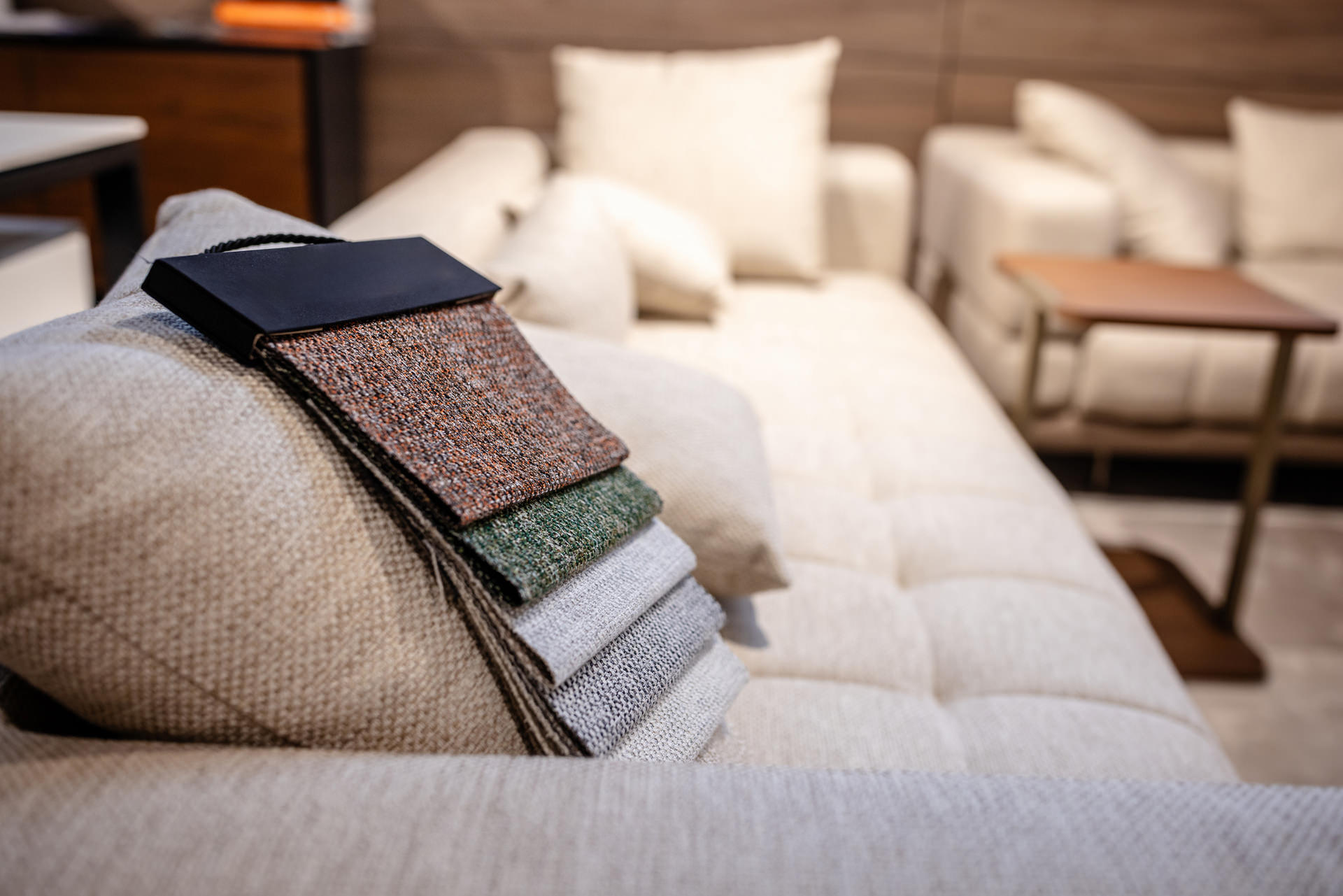
A skilled designer learns these things through observation and conversation. They ask where you like to read, whether you entertain often, how you manage clutter and what kind of atmosphere you want when you come home at the end of the day. They translate this information into choices like durable performance fabrics for busy households, refined storage pieces for curated collections or lighting plans that shift from bright utility to evening softness. For many homeowners this type of thoughtful translation is the most valuable part of the design partnership.
Understanding Fee Structures and What They Include
As you explore how to find an interior designer, understanding fee structures will help you compare services confidently. Designers may charge hourly, flat rate or percentage based on furnishings purchased. Some offer full service design while others provide consultation only. There is no single correct model. The best choice depends on the scope of your project and the type of guidance you need.
When meeting with a designer, ask for clarity on what each fee covers. Will they create a full design plan? Will they source everything for you? Will they present multiple options? How many revisions are included? The more transparent the structure, the more comfortable you will feel throughout the process.
Key Questions to Ask About Their Style Development Process
Before committing to a designer, ask questions that reveal how they uncover and interpret your personal style. Consider the following:
• How do you guide clients who don’t yet know their style?
• What tools do you use during the discovery phase?
• Explain how you move from inspiration to finalized selections.
• How do you balance aesthetics with function and lifestyle needs?
• What does collaboration look like once the design direction is established?
The right designer will welcome these questions. Their answers will show whether they prioritize your voice and vision. During a consultation, a Gabberts designer can walk you through their style discovery process so you feel supported from the first conversation to the final installation.
Building a Meaningful Design Partnership
Design partnerships thrive when both sides communicate clearly and share a commitment to the same goal. Once you find a designer whose approach resonates with you, the next step is building trust. The more openly you communicate your preferences, constraints and aspirations, the more precisely your designer can craft a home that feels both intentional and personal.
With an experienced designer guiding the process, collaboration grows naturally. Whether you are drawn to updated traditional style, quiet neutrals or bold artistic statements, the right designer will help you see the possibilities and build a space that honors who you are.
Managing Your Project From Start to Finish
A skilled designer oversees every part of a project so the experience feels organized and stress free. They handle coordination, scheduling and communication with vendors while keeping the overall vision consistent. Working with a dedicated designer also narrows your focus. Instead of sorting through endless choices, you receive curated options that fit your style and lifestyle, which reduces decision fatigue and keeps the project on track.
A designer can help you save time and money by guiding you toward pieces with long-term value and steering you away from costly missteps. They know which materials are readily available, which vendors are reliable and how to navigate delays without slowing progress. With a professional managing each detail, you gain peace of mind knowing your project is handled with care and expertise.
The Value of Expert Guidance
Designing a home is a significant investment of time and emotion. Having a professional who understands both your style and your lifestyle ensures that every choice contributes to a space that feels elevated and lasting. No two clients are alike, and the best interiors reflect that truth. A thoughtful designer uncovers your aesthetic rather than replacing it.
Gabberts designers offer this level of personalized refinement, helping clients define their interior design style, navigate decisions with confidence and create homes that tell their stories with elegance and intention.