Fall Refresh: The Designer’s Case for a Seasonal Room Update
August 2026
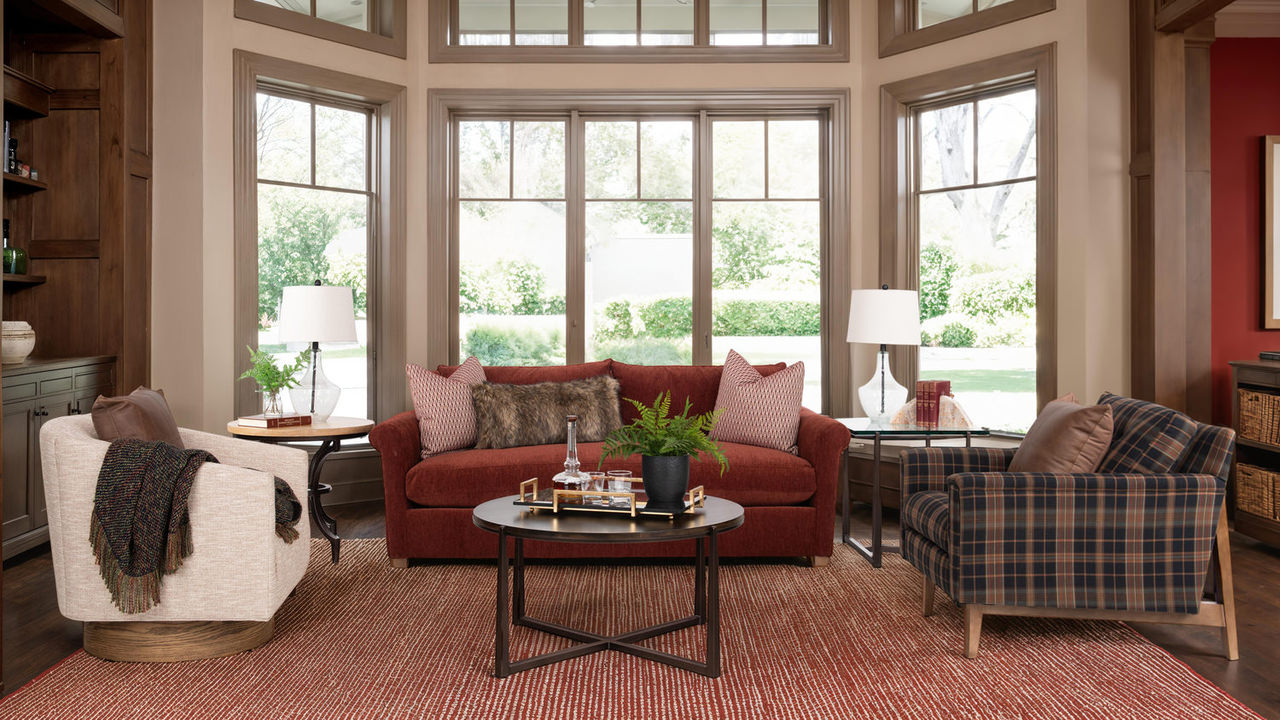
Cooler evenings rewrite how a room gets used. Lamplight arrives earlier. Gatherings move inward, quieter than the ones a space hosted in July. A fall refresh treats that shift as an invitation, adjusting a few deliberate details so a room feels as intentional in October as it did in June.
How Do I Update My Home for Fall?
A successful fall update begins with temperature, not theme. Swap lightweight textiles for heavier weaves, deepen the palette with warm neutrals and rich accent tones, and adjust lighting to compensate for shorter days. The goal is a room that feels considered for the season, not redecorated around it.
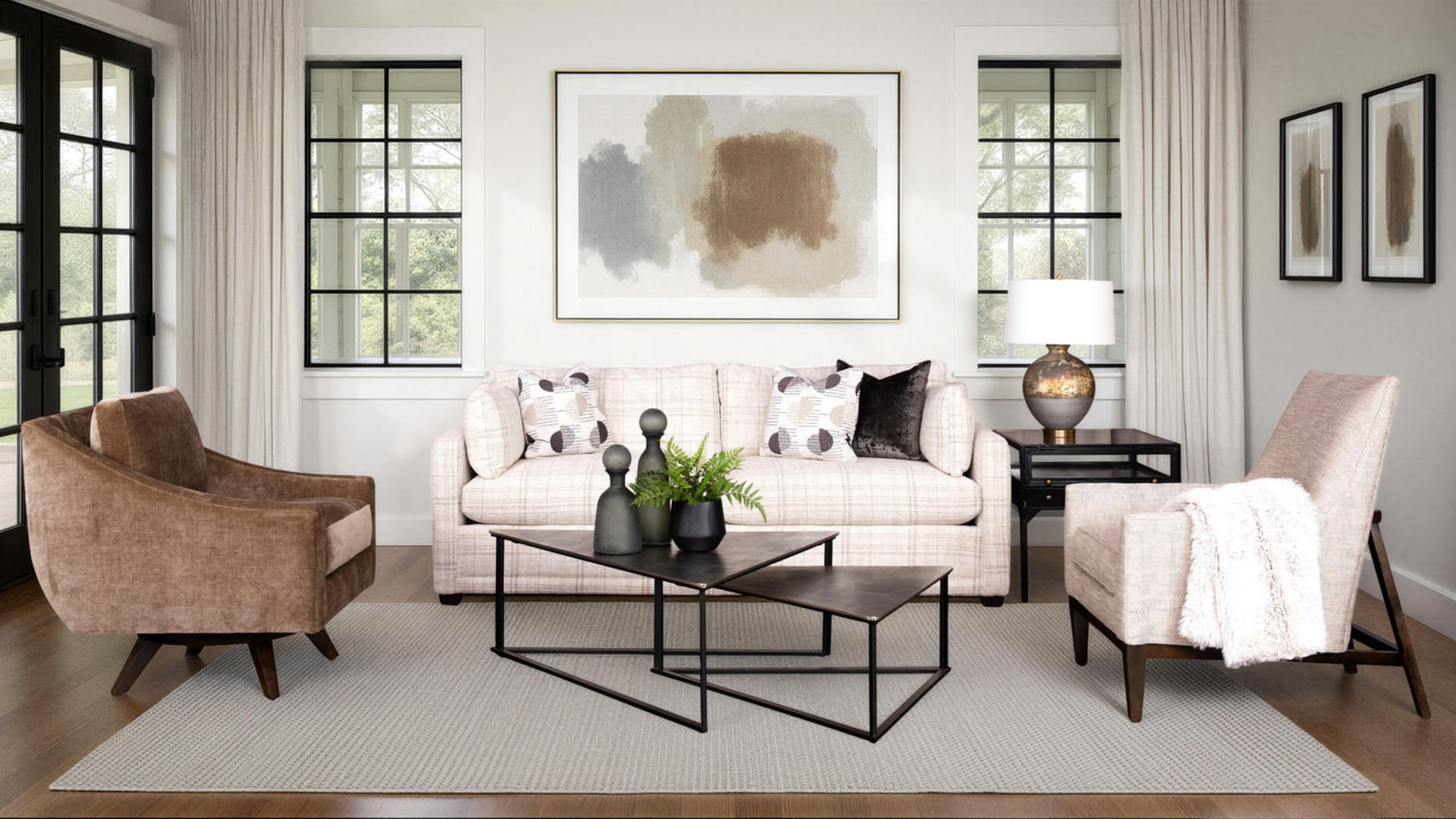
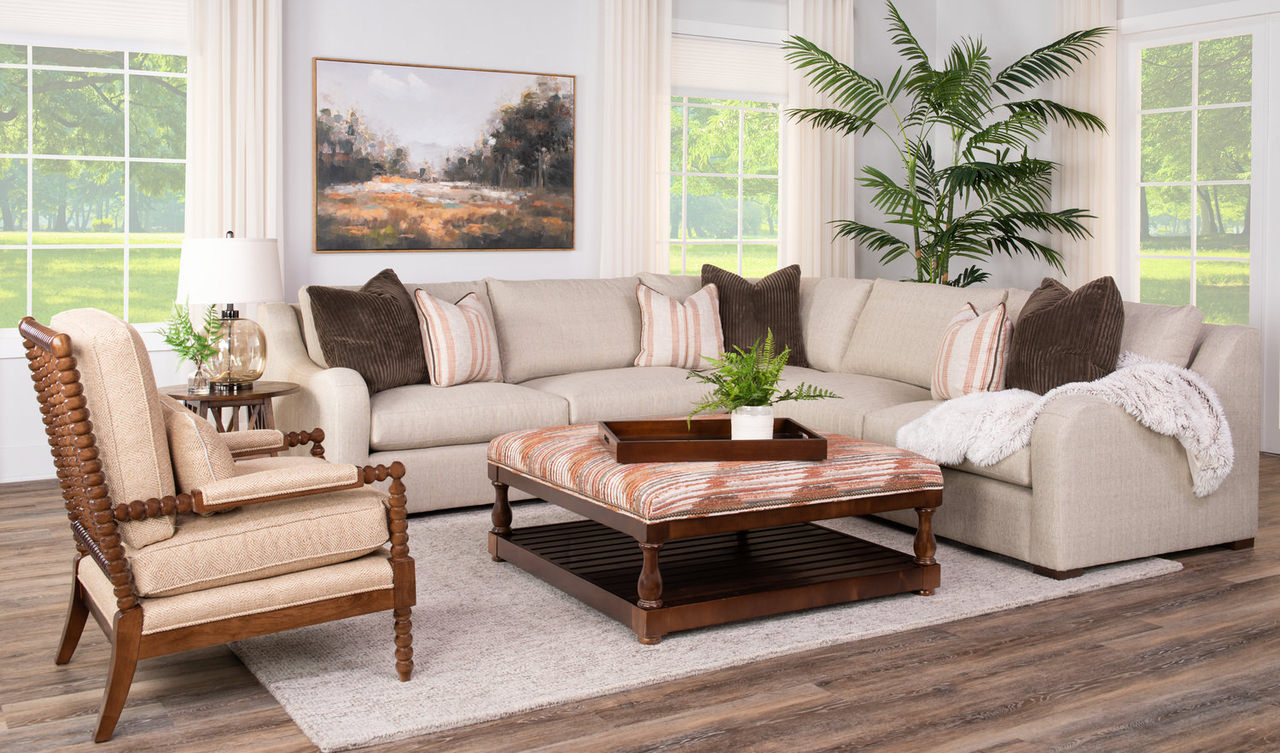
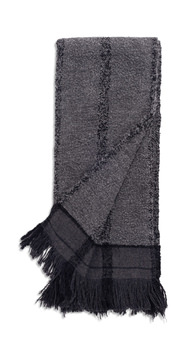
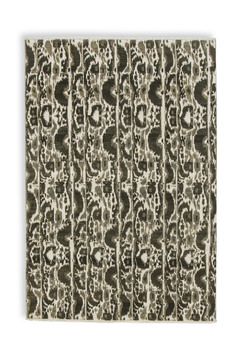
The most useful fall home decor ideas are not about acquiring new furniture. They are about reconsidering what is already in the room—how it is dressed, lit and arranged—and adjusting those variables with intention. A wool throw across a sofa arm, a denser rug underfoot or a lamp moved closer to a reading chair can shift a room’s feel without changing its footprint. Designers approach the season as an editing exercise: subtract what reads too light, then layer in what carries weight.
A seasonal refresh succeeds when a room feels rethought, not simply redecorated.
What Colors Are Used in Fall Interior Design?
Autumn interior design shifts the temperature of a palette rather than its identity. A room that reads crisp and cool in summer can take on noticeably more warmth once amber, rust and deep green enter as accents, without the underlying neutrals ever changing. The adjustment lives in the details: a pillow, a throw, a single upholstered piece reupholstered or replaced.
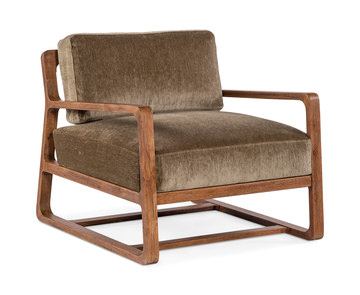
- Amber: introduces warmth into a neutral palette without overwhelming it; works well in pillows, ceramics or a single accent chair.
- Rust: a deeper, more grounded warm tone, suited to larger pieces like a sofa throw or an area rug.
- Deep green: adds richness and contrast against light walls or pale upholstery, particularly in velvet or bouclé.
- Warm neutral: a camel, walnut or espresso tone that anchors the palette without competing with the accent colors above.
These tones work because they layer onto an existing scheme rather than replacing it. A room does not need new furniture to feel ready for fall, only a few considered color introductions placed where they will be seen most. A throw across a chair, pillows on a sofa, a runner on a console. A designer reads a room’s existing palette before introducing anything new, then chooses accent tones that extend what is already there.
What Textures Work Best in Autumn Home Decor?
Texture carries as much seasonal weight as color, and arguably more. Wool, bouclé and velvet are the three materials that do the most work in a fall update, each replacing a lighter-weight summer counterpart, such as linen, cotton or a flat weave, with something that reads heavier to the eye and the hand. The shift is tactile before it is visual: a room with structured weaves simply feels more settled once the temperature drops.
A bouclé accent chair, a wool throw or a velvet lumbar pillow each accomplish the same goal at a different scale, without replacing furniture that already works. The textures that work best in autumn home decor are the ones that introduce depth without disrupting a room’s existing proportions or palette. Mixing textures matters as much as choosing them. Pairing a smooth velvet pillow with a chunky wool throw reads as intentional, while several textures of the same weight can flatten a room rather than enrich it.
How Do Designers Transition a Home Between Seasons?
Designers transition a home between seasons by adjusting three variables: textiles, color temperature and lighting. They are most effective when they work together. A room with heavier textiles and warmer accents will still feel unfinished if the lighting stays set for summer. Lighting is the variable most homeowners overlook. A room lit primarily by an overhead fixture reads flat and cold once daylight hours shorten; layered lighting, such as a floor lamp, a pair of table lamps, a dimmer on the overhead fixture, restores the warmth that shorter days take away.
Textiles change how a space feels to the touch. Color shifts how it reads at a glance. Lighting determines how it feels for the additional hours each day a room is now lived in after dark. Designers also reassess artwork and accessories, since smaller details shift a room’s overall temperature as much as its larger pieces. Addressed together, these adjustments make a seasonal transition read as deliberate rather than incremental.
When a Seasonal Refresh Signals a Larger Redesign
Most fall updates stay exactly that. A refresh, not a renovation. But the process of reassessing a room each season occasionally surfaces a larger question: whether a piece of furniture no longer suits the room around it, or whether a layout has stopped working for how the space is actually used. A seasonal home refresh is, in that sense, a low-stakes audit. It gives a homeowner permission to notice what no longer earns its place without committing to a full redesign on the spot.
A Gabberts designer is useful precisely at that point of uncertainty. Distinguishing a sofa that needs new textiles from one that needs replacing, or a room that needs new lighting from one that needs a different layout altogether. That assessment, more than any single product, is what turns a seasonal update into the right long-term decision for the room. For most rooms, a seasonal refresh is enough, and next year will call for another one. For a few, it is the first sign that something more substantial is due, and recognizing the difference is the real value of pausing to look each season.
Learn more about our interior design services.
Shop living room furniture.