Earth Day Elegance: Sustainable Luxury in Interior Design
April 2026
What Is Sustainable Luxury Interior Design?
Sustainable luxury interior design is the practice of furnishing a home with pieces that are both exceptionally crafted and responsibly made. Products sourced from materials, manufacturers and supply chains that maximize environmental responsibility without sacrificing beauty or longevity. Far from a compromise between sustainability and luxury, this design is increasingly the standard to which the world’s finest furniture brands hold themselves.
This Earth Day, the conversation around environmentally conscious living extends naturally into our interiors. For the discerning client, the question is no longer whether to design sustainably. It’s how to do so with the same exacting standards applied to every other design decision.
Why Is Buying High-Quality Furniture Considered More Sustainable?
The most compelling environmental argument for fine furniture is also the simplest: a well-made piece, purchased once, is inherently more sustainable than fast furniture replaced repeatedly. The carbon cost of manufacturing, shipping and landfilling a pressed-wood sideboard every five years far exceeds that of a single solid hardwood piece built to last generations.
“The most sustainable piece of furniture is the one you never have to replace. Invest once, invest well — and let the design speak for decades.”
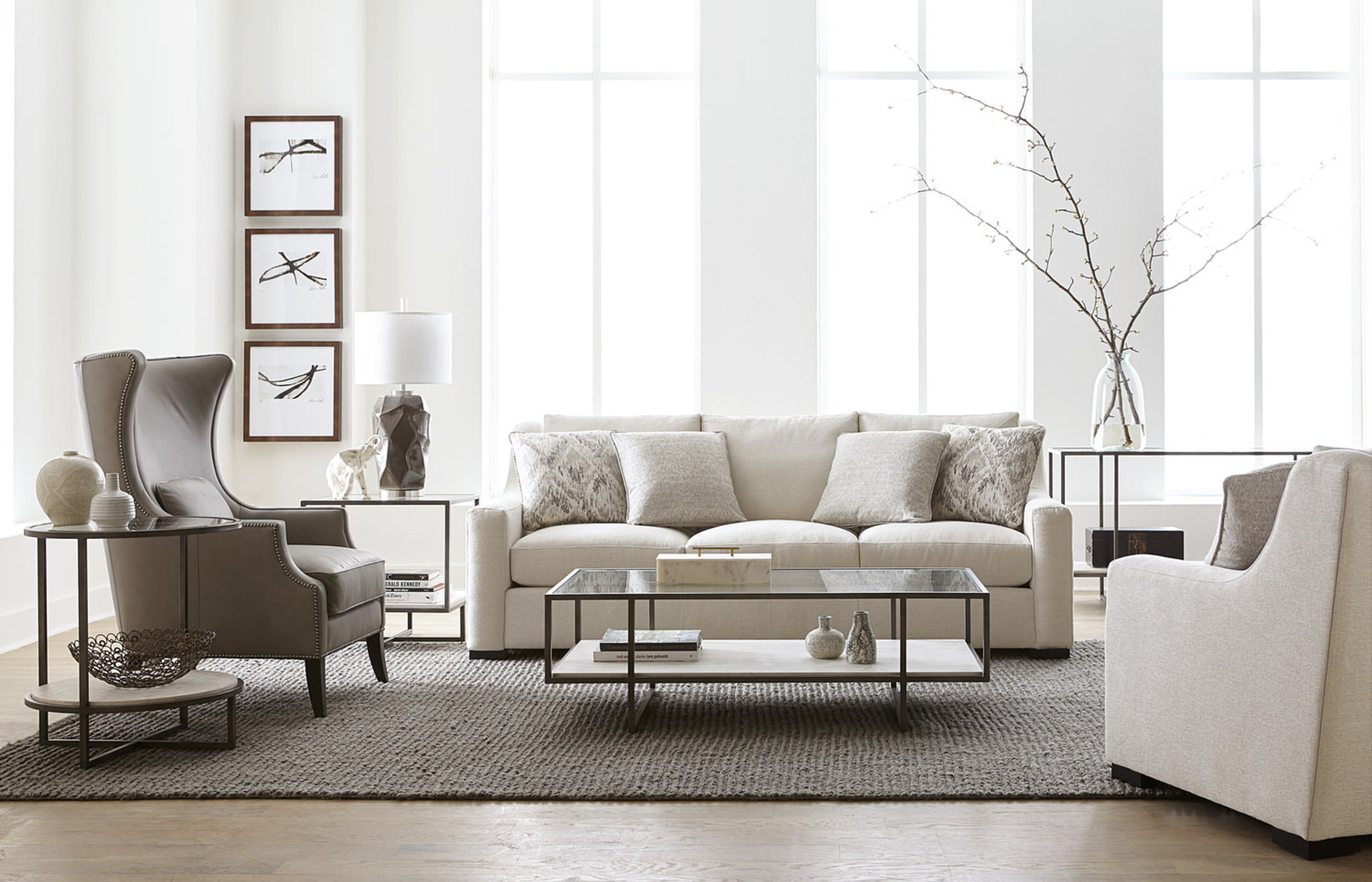
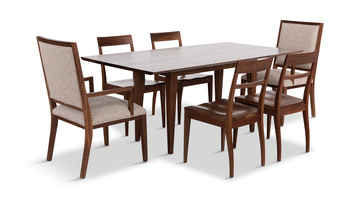
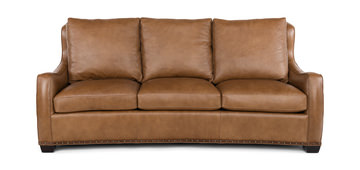
At Gabberts, this philosophy is embedded in every collection we carry. When a client chooses a hand-stitched leather sofa or a solid walnut dining table, they are investing in sustainability and style. The choice of sustainable luxury furniture has real environmental weight.
What Makes a Furniture Piece Truly Sustainable?
When evaluating a piece for environmentally responsible design and manufacture, these are the markers that matter:
Material sourcing: Solid or reclaimed hardwoods from responsibly managed forests; natural fibers; recycled or plant-based components.
Finish standards: Low- or zero-VOC (volatile organic compounds) finishes.Not treated with fire retardants
Lifespan and repairability: Traditional joinery, genuine upholstery and materials that can be refinished or reupholstered rather than discarded.
Manufacturing transparency: Brands that publish sustainability goals, use renewable energy and minimize production waste.
Industry certifications offer a useful assist in determining which products meet the highest sustainability standards. Here are some to look for:
Wood: Forest Stewardship Council (FSC ), Sustainable Forestry Initiative (SFI).
Textiles: Global Organic Textile Standard (GOTS}, International Association for Research and Testing in the Field of Textile and Leather Ecology’s OEKO-TEX.
Foam: CertiPUR-US
Manufacturer Practices: Sustainable Furnishings Council (SFC}, Emission-Free Energy Certificates (EFEC), GREENGUARD, Compliance with Toxic Substances Control Act (TSCA).
Which Luxury Furniture Brands Have Sustainability Initiatives?
The brands available at Gabberts represent some of the most rigorous sustainability commitments in the industry. Each takes a distinct approach, and, together, they demonstrate that responsibility and refinement are not competing values.
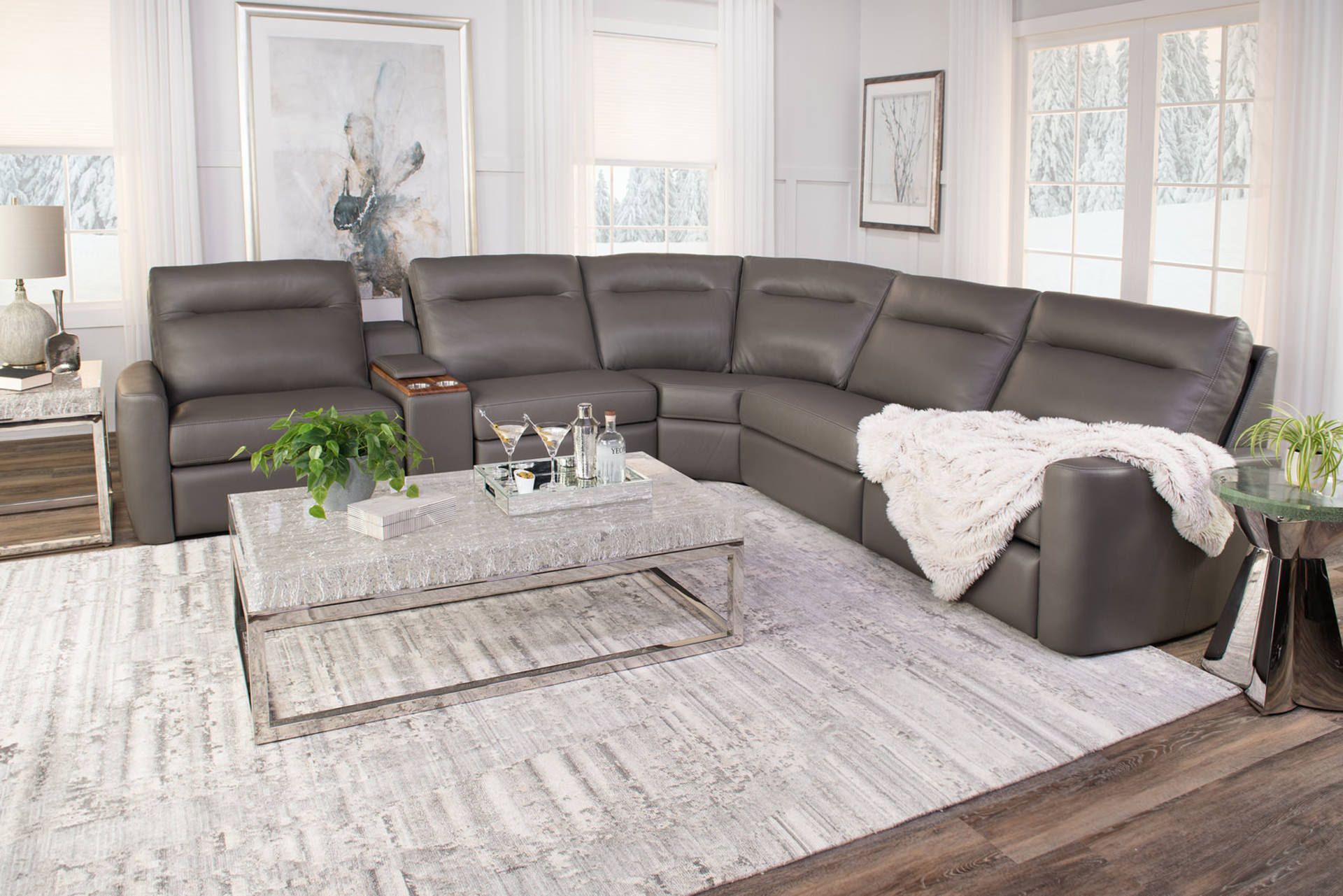
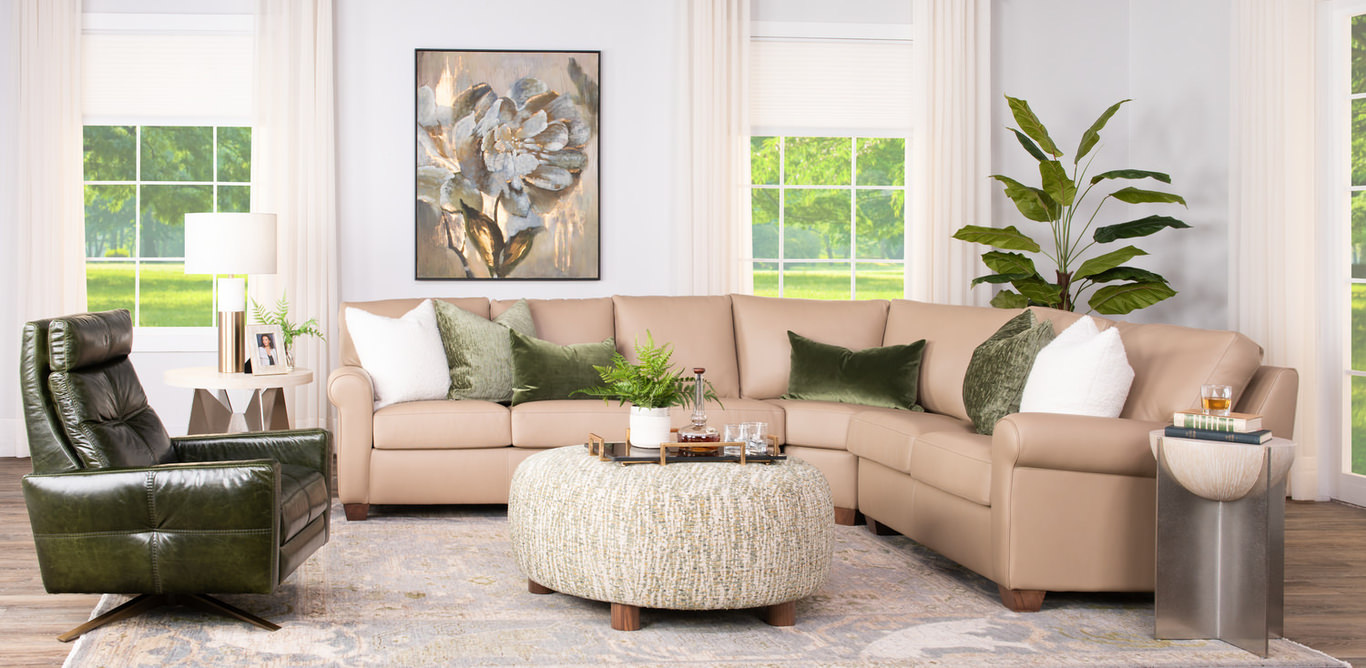
American Leather crafts every piece in the U.S. using sustainable wood frames, soy-based fire-retardant-free foam and water-based leather pigments, with recyclable leather scraps diverted from landfills.
Bernhardt brings more than 130 years of craftsmanship to sustainability, with EFEC certification across five U.S. facilities and partnerships with SFI, FSC and GREENGUARD.
Bradington Young minimizes waste at every step: reselling leather scraps, recycling cardboard packaging and reusing or repurposing every pallet that moves through their facility.
Century is a founding member of the Sustainable Furnishings Council, sourcing over half its wood domestically, using low-VOC finishes, soy-based cushions and recycled metal components.
Charleston Forge builds custom metal and wood furniture using recycled steel and USDA-certified wood, with 90% of suppliers within 100 miles of their factory.
Classic Home emphasizes FSC-certified and plantation-grown woods, water-based sealers and production water reused in local agriculture.
Dinec produces heirloom-quality hardwood furniture powered primarily by hydropower, using non-polluting machinery and certified sustainable forest wood.
Durham Furniture specializes in solid wood built to last generations, sourcing lumber exclusively from replenishing North American forests as a committed SFC member.
Gat Creek is an SFC founding member whose Appalachian facility runs on solar power, with lumber sourced from sustainably managed forests just miles away.
Hancock & Moore combines luxurious leather and upholstered designs with U.S.-sourced lumber, soy-based foam, recycled fiber cushion wrapping and low-VOC finishes.
Hooker Furniture holds SFC membership and EFEC certification, resells leather scraps, recycles packaging waste and runs environmental education programs in its local community.
Huntington House sources materials locally first, uses springs and strapping from 98% recycled steel, soy-based seat cushions and ships in 100% recycled cardboard.
Jessica Charles sources 95% of its lumber in the U.S. from legally certified harvests, uses the highest available soy content in cushions and finishes with low-VOC lacquers.
Precedent uses SFI-certified U.S. wood, 95% recycled steel hardware, water-based formaldehyde-free glues and 100% recyclable packaging.
Rowe builds with domestic renewable-forest wood, recycled iron-ore springs, recycled-bottle down fill, fire-retardant-free foam and plant-based polyol cushions.
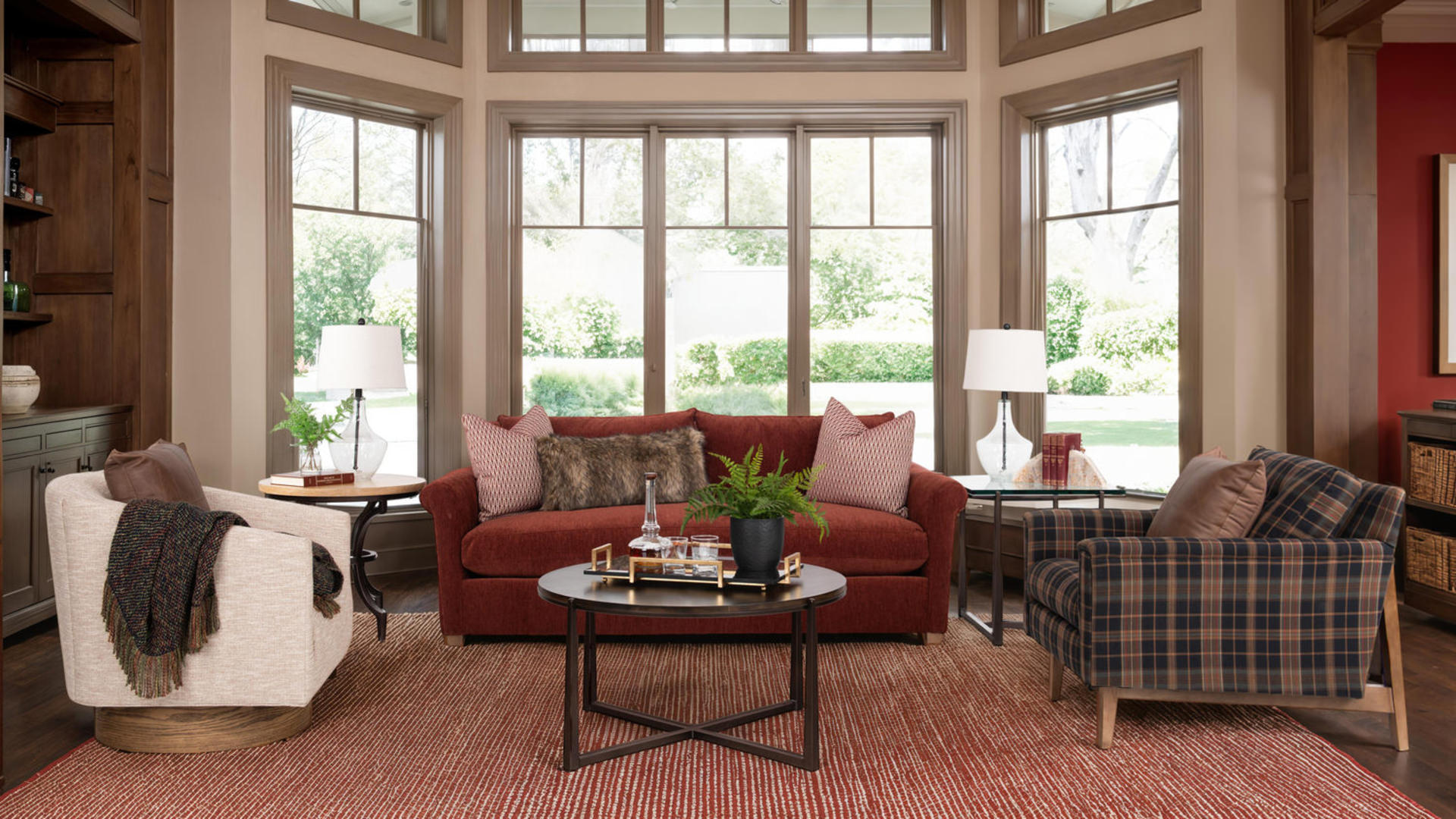
Sherrill Furniture uses TSCA-compliant lumber, TB117-2013 foam standards and reduced energy and water consumption across its manufacturing operations.
Taylor King is committed to sustainability from their suppliers to the hands that craft each piece. Every phase of their process prioritizes eco-conscious materials and meaningful waste reduction.
Trend Point reduces water, energy and chemicals in leather production, uses water-based adhesives and CertiPUR-certified foam and sources ethically recycled materials throughout.
Trica builds with recycled and recyclable steel, aluminum and plastics, finished with VOC- and lead-free paints.
Vanguard operates solar-powered facilities, recycles significant production waste and offers FSC-certified case goods alongside eco-friendly fabrics made from natural fibers or recycled polyester blends.
Schedule a complimentary consultation with a Gabberts designer and discover how eco-friendly interior design can elevate every room in your home.