Designing with Intention: How a Great Interior Designer Transforms the Way You Live
June 2026
Designing with Intention: How a Great Interior Designer Transforms the Way You Live
Many people assume hiring an interior designer is about choosing paint colors and picking furniture. The reality is more considered than that.
What Does an Interior Designer Do?
A skilled interior designer translates the way you live into a home that supports it. That means understanding your routines, your household, your frustrations with the current space and how you want to feel when you walk in the door — before a single piece of furniture is selected.
It also means staying current. Gabberts designers maintain their professional education through ongoing training and continuing education, keeping pace with emerging trends, new materials and evolving best practices in spatial design.
The process begins with a thorough design consultation. A good designer asks questions that go well past aesthetics: How do you use this room day to day? Who else lives here? Where does clutter tend to collect? What isn't working right now? The answers shape every decision that follows, from how traffic flows to where natural light falls at different times of day.
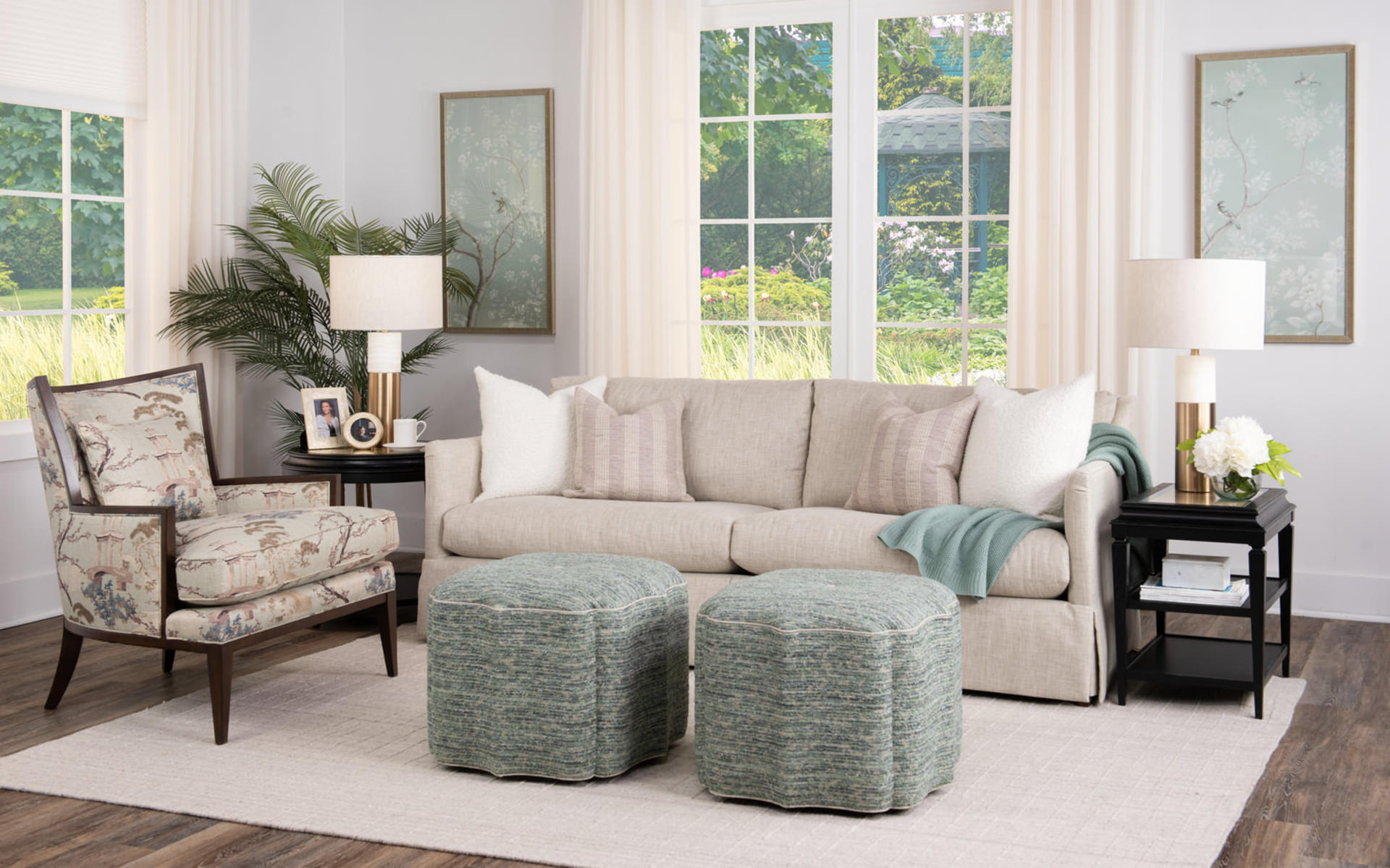
How Does the Interior Design Process Work?
The design process moves through several distinct phases, each one building on the last. Understanding what happens at each stage helps set realistic expectations and makes the collaboration more productive.
Space Planning
Before materials or furniture enter the conversation, a designer maps how the space will actually function. Space planning accounts for scale, circulation paths, focal points and the relationship between zones in a room. A sofa placed two feet in the wrong direction can make the space feel cramped; the right layout can make a modest room feel generous.
Material and Furniture Selection
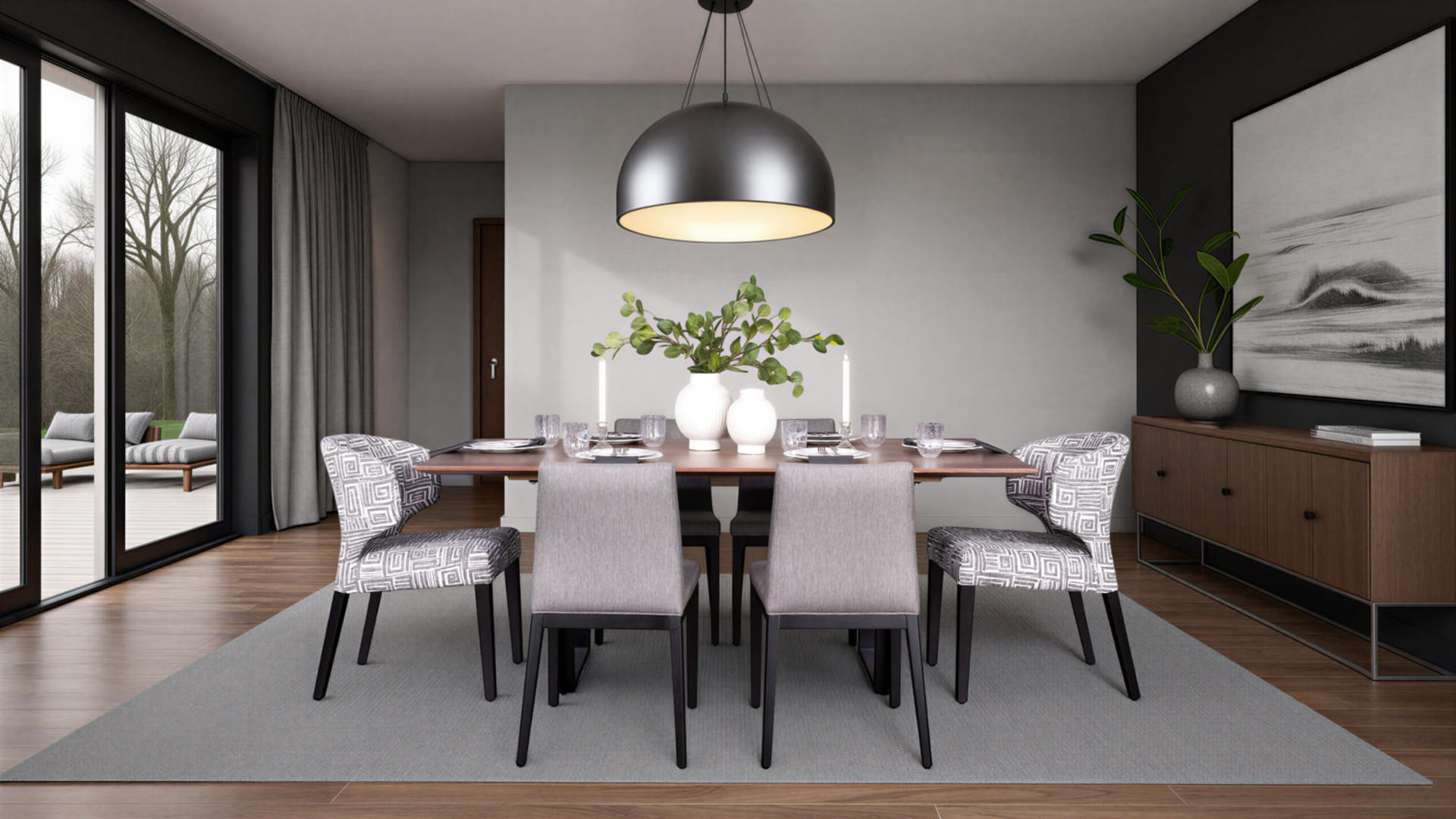
This is where many clients expect the process to start, but it works better as a second step. Once the spatial logic is established, a designer selects furniture, finishes, fabrics and lighting that are proportional to the room, suited to how it will be used and consistent across the whole interior. Selecting pieces in isolation, without this foundation, is how rooms end up looking assembled rather than designed.
Project Coordination
A designer also manages the vendors, timelines and logistics that most clients have no interest in handling. That includes coordinating deliveries, overseeing installations and serving as a single point of accountability when something needs to change. The project coordination benefit is underrated, and it is often what separates a finished room from one that stalls halfway through. It's also the phase most clients are most grateful for in hindsight.
What Is the Difference Between an Interior Designer and an Interior Decorator?
The distinction matters more in some situations than others. An interior decorator focuses on the visual layer of a space: furniture arrangement, color, accessories and finish. An interior designer brings additional training in spatial planning, architectural elements and how design decisions affect the way a space functions over time.
For a straightforward refresh — new furniture, updated fabrics, a coat of paint — a decorator may be the right fit. For a renovation, a new build, or a home where the layout itself is part of the problem, a designer's broader skill set is called for.
Is Hiring an Interior Designer Worth It?
The interior designer benefits that matter most to clients are rarely the obvious ones. Yes, a designer improves how a room looks. More practically, a good designer saves you from expensive mistakes: the sofa that turns out to be too large, the finish that doesn't hold up, the rug that fights everything around it.
A designer also shortens the decision-making process. Without a designer, you may be handed a showroom and told to browse. With a Gabberts designer, you have a partner who understands the project, narrows the field to options that will work and helps clients make confident decisions without the paralysis that comes from unlimited choice.
Design consultations in-store up to 30 minutes are complimentary at Gabberts, and services like space planning are included when you purchase through us.
How Gabberts' Design Services Work
Gabberts designers work with clients across the full arc of a project — from the initial consultation through installation. The process is grounded in how you actually live: your household, your daily routines and the specific rooms you plan to improve.
Design consultations at Gabberts can take place in the studio, in your home or both. For larger projects, an in-home visit is often the right starting point. It lets a designer see the space, the light and the existing pieces before making any recommendations. The studio visit that follows is more focused and productive for it.
Frequently Asked Questions
How much does it cost to work with a Gabberts interior designer? Design consultations at Gabberts up to 30 minutes are complimentary, and services like space planning are included when you purchase through us. For larger or more involved projects, a Gabberts designer can walk you through what to expect during your initial consultation.
Do I need to commit to a full home project to work with a Gabberts designer? Not at all. Gabberts designers work across the full range of project scopes, from helping you refresh a single room with new furniture and finishes to guiding the interior of a new build from the ground up. Wherever you are in the process, the consultation is the right place to define the scope and figure out what level of support makes sense for your project.
Can a Gabberts designer work with furniture or pieces I already own? Yes. A good designer works with your existing pieces where they make sense — evaluating what to keep, what to reposition and what to replace. Bringing what you already own into the conversation from the start leads to better, more cohesive results.
How do I know if I'm ready to start working with a designer? You don't need a finished vision or a firm plan before reaching out. Many clients come in knowing only that something about a space isn't working. The initial consultation is specifically designed to help clarify the problem, set realistic expectations and map a path forward — whether that's a single room refresh or a longer-term project.
Matching the Right Design Support to Your Project
The list below maps common project situations to the type of design support that tends to work best. A Gabberts designer can help you assess your specific project during a consultation.
You want to refresh a room with new furniture and updated finishes A design consultation focused on furniture selection and finish coordination is a natural fit. An in-studio visit with a Gabberts designer can move quickly once the scope is defined.
Your layout isn't working — traffic flow, scale or function is the problem Start with space planning before selecting anything new. An in-home visit lets a designer assess the room on its own terms before making recommendations.
You're furnishing a new build or gut renovation The full luxury interior design process applies — consultation, space planning, selection and coordination across every room. Earlier involvement saves time and reduces changes later.
You're unsure what the problem is, only that the room doesn't feel right An interior design consultation in Minneapolis at Gabberts is a low-commitment starting point. A designer can diagnose what isn't working and outline a realistic path forward.
The right design partnership doesn't merely change how a room looks — it changes how you use it every day. That process begins with a single conversation, and at Gabberts, it's a conversation worth having in person. Visit a Gabberts showroom nearest you or schedule a consultation to get started.